The 2019 Breakthrough: How Earwax Analysis Changed Metabolic Screening

The Dawn of Cerumenogram Technology
In 2019, a groundbreaking study published in Scientific Reports (Nature) revolutionized our understanding of what earwax—medically known as cerumen—could tell us about human health. This peer-reviewed research, conducted by a team of Brazilian scientists led by João Marcos Gonçalves Barbosa, demonstrated that cerumen contains detectable volatile organic compounds (VOCs) that correlate with metabolic states.
The Study: Methodology and Findings
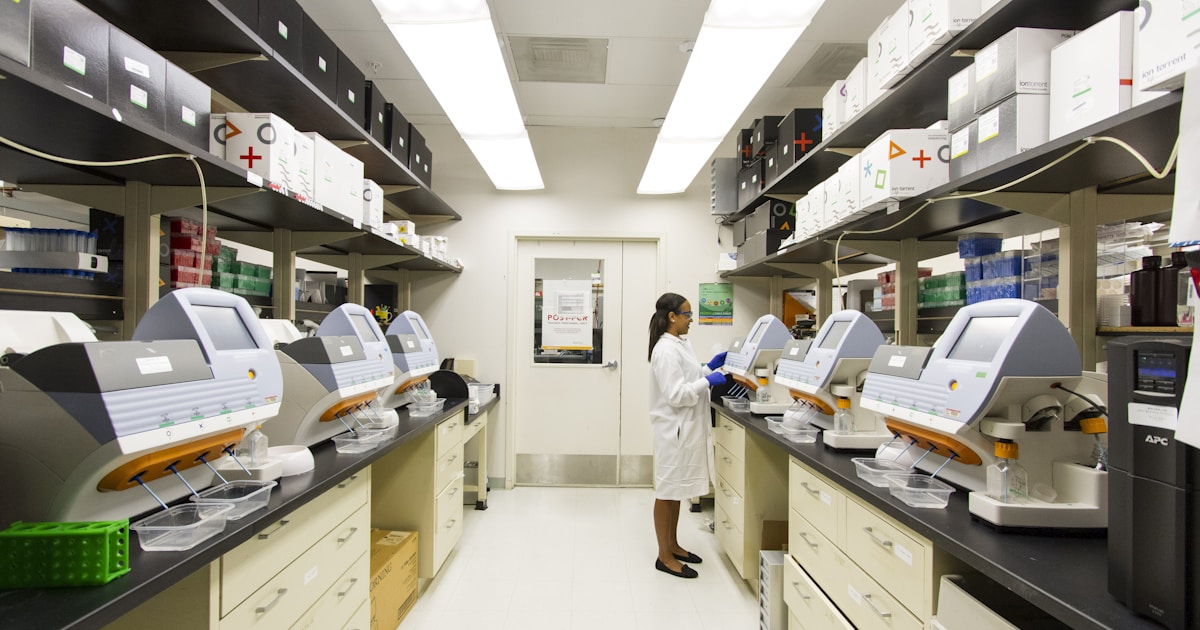
The research team analyzed cerumen samples from 102 participants (52 cancer patients and 50 healthy controls) using headspace gas chromatography-mass spectrometry (HS/GC-MS). Their methodology was rigorous:
- Sample incubation: 160°C for 60 minutes
- Internal standard: 3-methylcyclohexanone for normalization
- Peak threshold: Area/Height ratio > 3
- Identification: NIST17 spectral library
Key Findings
From 158 volatile organic metabolites (VOMs) detected, the GA-PLS algorithm selected 27 specific compounds as the most discriminative biomarkers:
Ketones (3 compounds)
- 2-Butanone
- 2-Pentanone
- 7-Octadecanone
Pyrans & Lactones (5 compounds)
- 6-Methyltetrahydro-2H-pyran-2-one
- 6-Propyltetrahydro-2H-pyran-2-one
- 6-Butyltetrahydro-2H-pyran-2-one
- 6-Heptyltetrahydro-2H-pyran-2-one
- 5-Ethyldihydro-2(3H)-furanone
Carboxylic Acids (3 compounds)
- Dodecanoic acid
- n-Tetradecanoic acid
- n-Octadecanoic acid
Alcohols (3 compounds)
- 2-Methyl-3-buten-2-ol
- 1-Decanol
- 1-Dodecanol
Hydrocarbons (3 compounds)
- 3-Methylhexane
- 1-Methylcyclooctene
- Eicosane
Plus additional amines, esters, ethers, aldehydes, and organosulfur compounds to complete the 27-biomarker panel.
Statistical Validation
The GA-PLS (Genetic Algorithm + Partial Least Squares) approach achieved 100% discrimination between cancer and control groups. The validation methodology included:
- 10-fold cross-validation
- 10 repetitions per fold
- ROC curve analysis
- 100 independent sample sets tested
Why Cerumen?
Cerumen offers unique advantages as a diagnostic medium:
- Non-invasive collection - No needles, no pain, no blood
- Stable compound - VOC biomarkers remain stable for extended periods
- Accumulative nature - Cerumen accumulates metabolites over weeks, providing a longer-term picture
- Universal availability - Every human produces cerumen
The Science Behind VOC Biomarkers
The 27 selected VOCs reflect various metabolic processes:
- Ketones indicate energy metabolism and cellular respiration patterns
- Pyrans and lactones result from lipid oxidation processes
- Carboxylic acids reflect long-chain fatty acid metabolism
- Alcohols are products of various metabolic pathways
- Hydrocarbons come from lipid peroxidation
These compounds accumulate in cerumen over time, creating a metabolic fingerprint that differs between healthy and diseased states.
Implications for Health Screening
This research opened the door to non-invasive metabolic screening. Traditional blood tests require clinical visits, trained phlebotomists, and cold chain logistics. Cerumen-based testing eliminates these barriers.
Citation: Barbosa JMG, et al. (2019). Cerumenogram: a new frontier in cancer diagnosis in humans. Scientific Reports. PMID: 31409861
*This article is for educational purposes only. The CeruLabs test is a wellness screening tool and is not intended to diagnose, treat, cure, or prevent any disease.*